
Key Takeaways
- Higgsfield AI launched 17 months ago and is now used by creators to produce work much faster and cheaper.
- AI-R Studio of PicoLove, based in Mexico City, won the Adathon competition using Higgsfield's tools.
- Judges found that top submissions excelled not just in tech, but in storytelling using AI tools.
This post was created in partnership with Higgsfield AI
After years of debate over AI’s creative capabilities, Higgsfield, an AI-native creative suite, put them to the test.
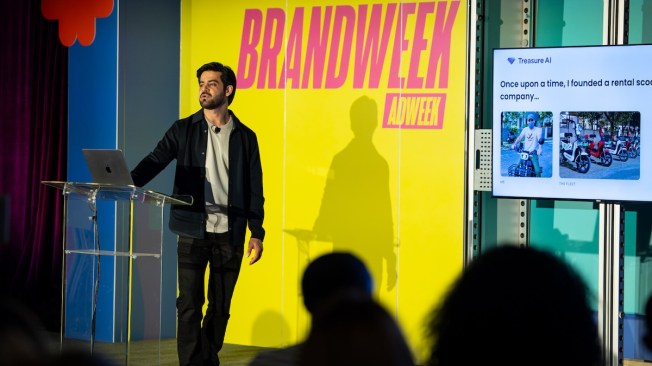
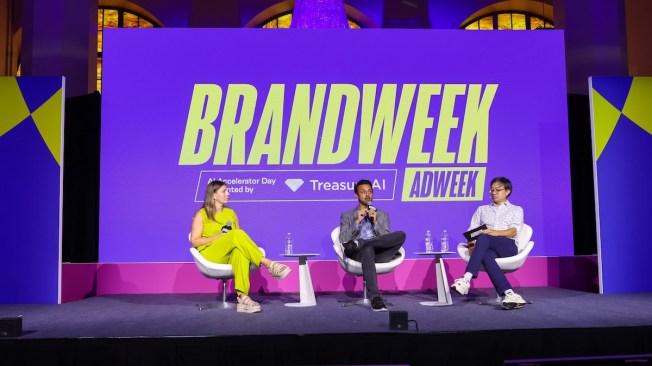
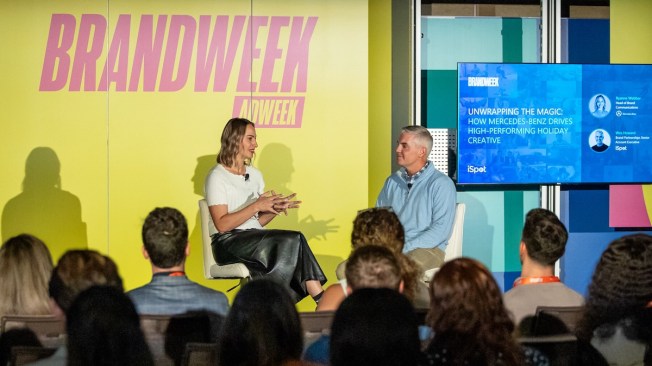
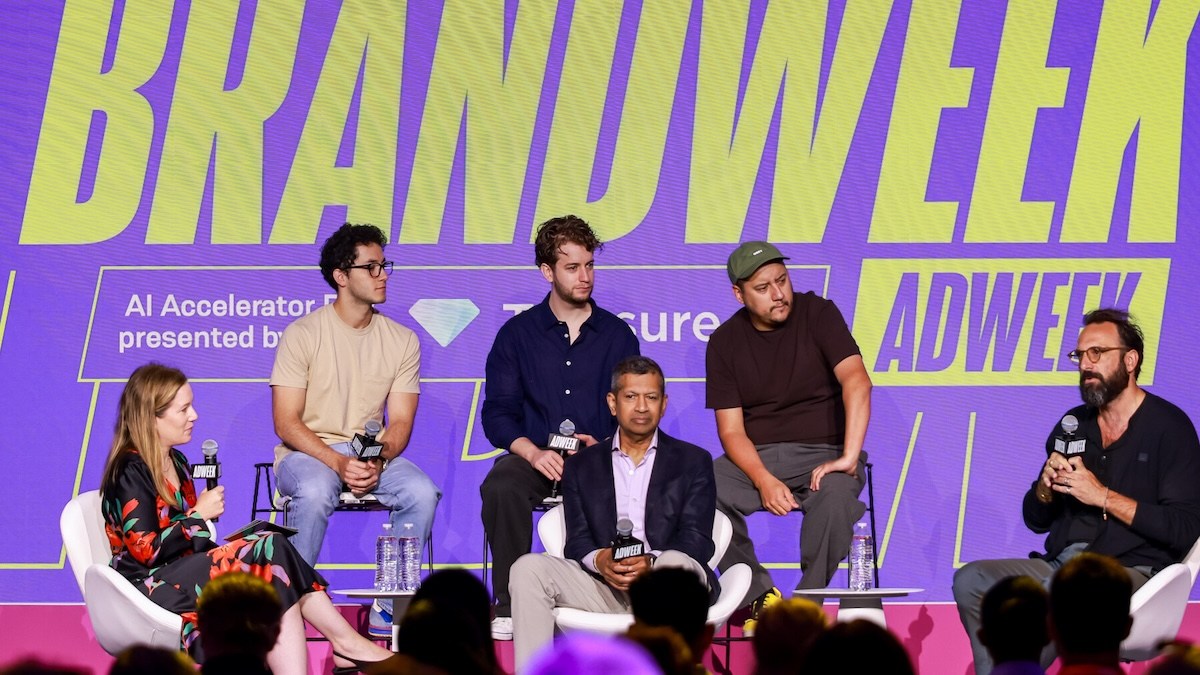
During a Brandweek 2026 fireside chat co-hosted with Higgsfield AI, Zoë Ruderman, chief content officer of ADWEEK, sat down with Mahi de Silva, co-founder and chief strategy officer of Higgsfield, to unpack the state of AI storytelling tools and introduce the Adathon winners.
A new language for creators
Higgsfield launched about 17 months ago, and at the time, people thought of it as a toy, mirroring broader skepticism of AI. Now that they’ve had time to use it, de Silva said, they understand that it’s much more than a plaything.
“It’s not here to replace you,” he explained. “It is a new language for creators, and it’s a new form of expression—the ability for them to fully realize what’s in their brain without the physical limits of cameras, lighting, location, and budget.”
Creatives use the Higgsfield platform in their daily workflows, from ideation to production, making work “at a fraction of the budget, but also a fraction of the time,” as de Silva put it.
“It’s really like a booster seat for you—it helps you get in the game of AI without becoming a prompt engineer,” he added. “It’s a tool for expression, right? It’s a platform that helps creators become more productive.”
Asked what he’d say to AI skeptics, de Silva offered a simple comparison. “Thirty years ago, we used to have this debate about Adobe Photoshop, and today nobody thinks twice about using digital tools for creating content,” he said. “AI is really just a tool.”
What AI can and can’t do
Midway through the conversation, Ruderman brought out Michael Ventura, author of “Applied Empathy” and “Constellation Thinking,” to join her to introduce the Adathon, a competition hosted by Higgsfield in partnership with ADWEEK. As part of the contest, agencies and brand creatives had four weeks to create an ad using AI tools.
Ruderman shared that the team behind the winning entry hailed from AI-R Studio, the AI arm of PicoLove, a Mexico City-based creative tech agency. The studio’s ad featured a commercial director told to replace his AI cast with “something more human,” before closing on the tagline: “Don’t kill the AI stars. They’re just trying to improve your video.”
Ventura, one of the competition’s judges, described his approach to considering the submissions.
“I think you’ve got to look at it first from how they’re using the tool,” he said. “Once you get past that, what I’m interested in is: What’s the creative idea? Where’s the discernment? Can you see that someone made a good choice going this direction vs. that direction? And is there a story here? The submissions that rose to the top weren’t just flexing with tech, but were telling a story with the tools available.”
Ventura felt the AI-R Studio team delivered on each count. “The thing I loved about their submission was that we were in on the joke,” he recalled. “There was a meta narrative at play.”
For all AI can do, though, de Silva concluded that it will never touch certain aspects of creative work. “There is no replacement for the human art of storytelling,” he said. “How you tell that story, the imagery of it, the voice behind the story—AI is never going to get there.”