
This post was created in partnership with Zefr
AI may be advancing quickly, but many organizations are still figuring out how to turn its potential into practical business value.
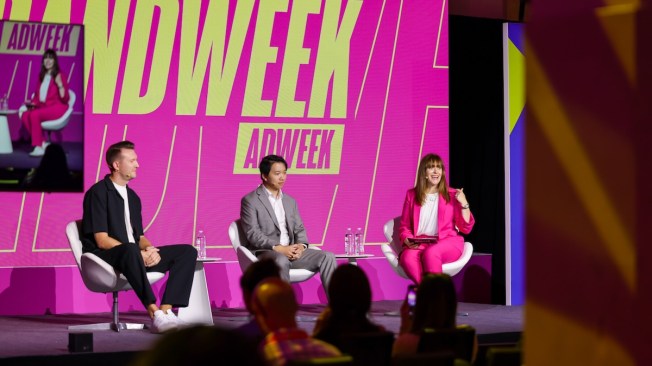
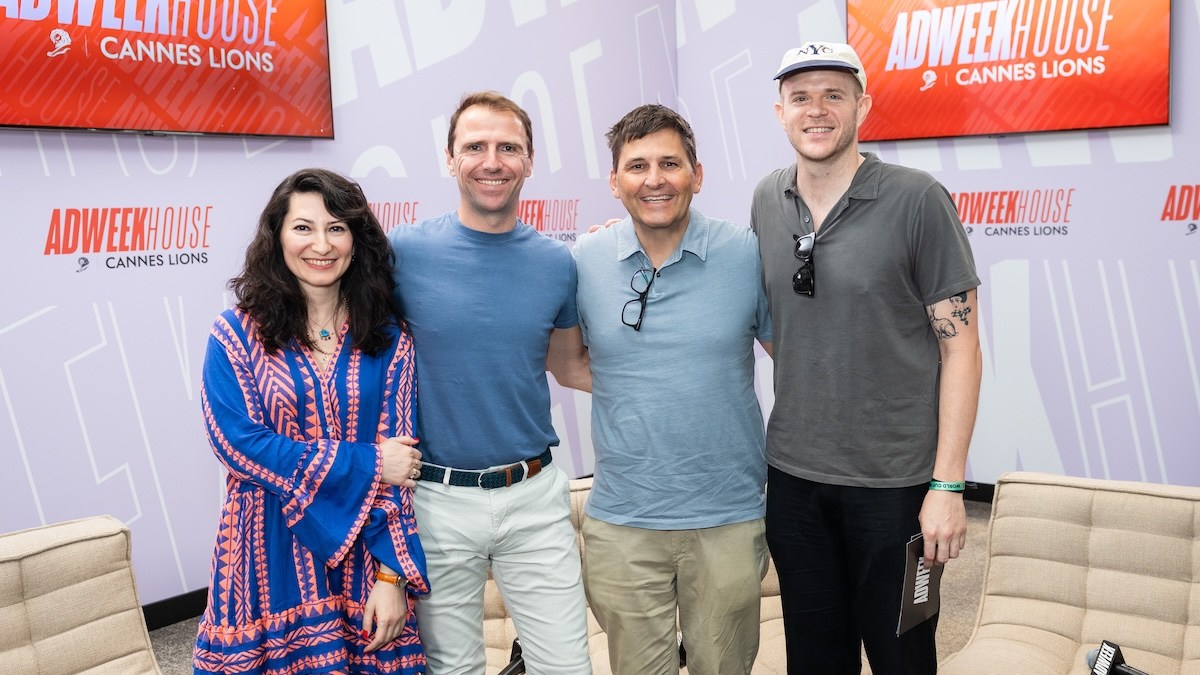
During an ADWEEK House Cannes Lions panel co-hosted with Zefr, Mark Stenberg, senior media reporter at ADWEEK, sat down with industry leaders to discuss how brands can move from AI experimentation to meaningful adoption.
Building the foundation before the AI boom
The conversation opened with how companies can approach AI implementation.
Richard Raddon, co-founder and co-CEO of Zefr, noted that growing interest in AI has created a need for practical education around how businesses can use it.
“There was a lot of misinformation about what AI was and what it could do. We’re very educated on this and are in a very good place to be able to help our clients understand the capabilities they can unlock with these new systems,” Raddon said.
Nicolas Comestaz, VP, global data and AI CoE at Coty, shared how the brand began building a data-driven media organization years before generative AI became a mainstream topic. The company focused on data access, measurement, and decision-making to support more precise marketing efforts. The work started with standardizing data and measurement across teams, creating a framework for testing, learning, and scaling successful initiatives.
“That allowed us to create a playbook that is never finished, by the way. This playbook is something that is living and that we are constantly optimizing,” Comestaz said.
Deniz Can, global head of digital and AI acceleration at Bayer, added that organizations often struggle to preserve and apply what they learn over time: “What has been challenging in a lot of companies is creating a memory and knowledge hub to inform the decisions.”
She shared that AI could help connect playbooks and guiding principles with real-world data, making it easier to learn from past decisions and avoid repeating the same mistakes.
Rethinking workflows and overcoming resistance
The conversation moved to how organizations can redesign workflows for AI.
Can shared that organizations often make the mistake of layering AI onto existing processes rather than rethinking workflows from the ground up. At Bayer, that means evaluating high-value workflows and questioning long-standing assumptions about how work gets done.
“When you actually sit down and do a whitepaper exercise, you start to see that a lot of those steps which were done in the past are quite obsolete, or there are things which we could have never done, but we could do now,” Can explained.
Raddon added that companies need evangelists, like Can and Comestaz, who strive “to make sure that AI is not something to be feared but integrated.”
Where adoption still breaks down
As the conversation continued, Comestaz said the biggest challenges are no longer technical. Instead, organizations must overcome resistance to change and bring teams, partners, and leadership together around a shared vision for AI.
“The main pain point to me is a people pain point. It’s the resistance that we’re facing internally, externally, by the ecosystem,” Comestaz said.
He added that education and executive support will be critical as companies redesign workflows and integrate AI into day-to-day operations.
Raddon agreed, encouraging marketers to spend time experimenting with AI tools rather than waiting for formal programs or processes.